


Raleigh’s downfall is an indictment of British manufacturing
Raleigh’s downfall is an indictment of British manufacturing

Matthew LynnSat, August 8, 2026 at 7:00 AM UTC
0
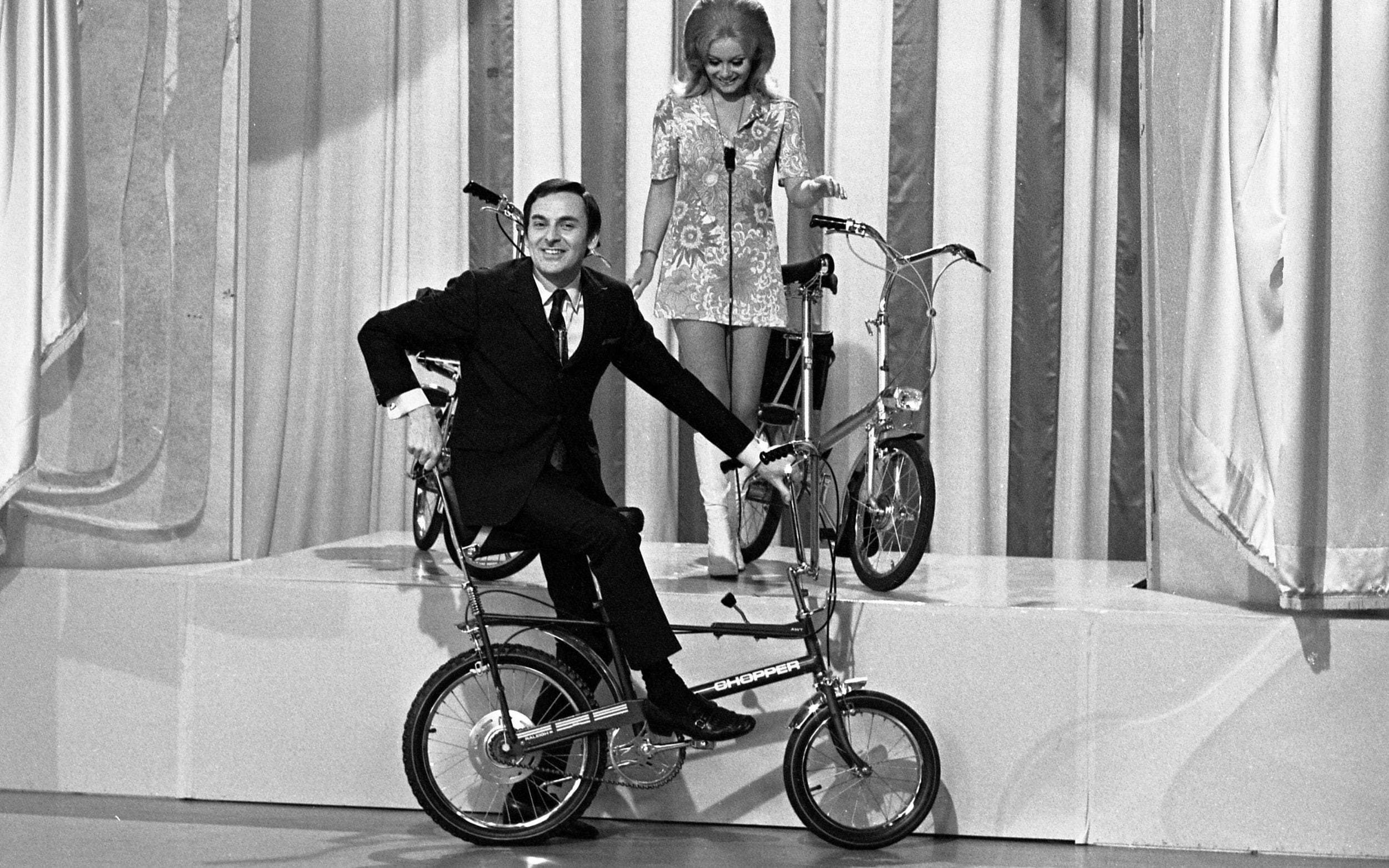
Bob Monkhouse and Anne Aston pictured on the The Golden Shot TV show with the 1970s classic Chopper bikes, which have featured in music videos and films - ITV/Shutterstock
With famous models such as the Grifter, the Burner and, perhaps most of all, the Chopper, Raleigh remains one of the most treasured brands in cycling history.
Older readers will recall the latter fondly as one of the most wished-for Christmas gifts of the 1970s.
And yet this week we learned that Accell, the Dutch owner of the bike manufacturer, has filed for insolvency.
Sure, companies run into trouble all the time. And yet, the long and painful decline of Raleigh is surely emblematic of everything that has gone wrong with British manufacturing in the last 50 years – and unfortunately there is not much point in talking about building new industries if we can’t keep the old ones alive.
In some parallel universe, Raleigh might be a huge success. After all, it is not as if cycling isn’t popular.
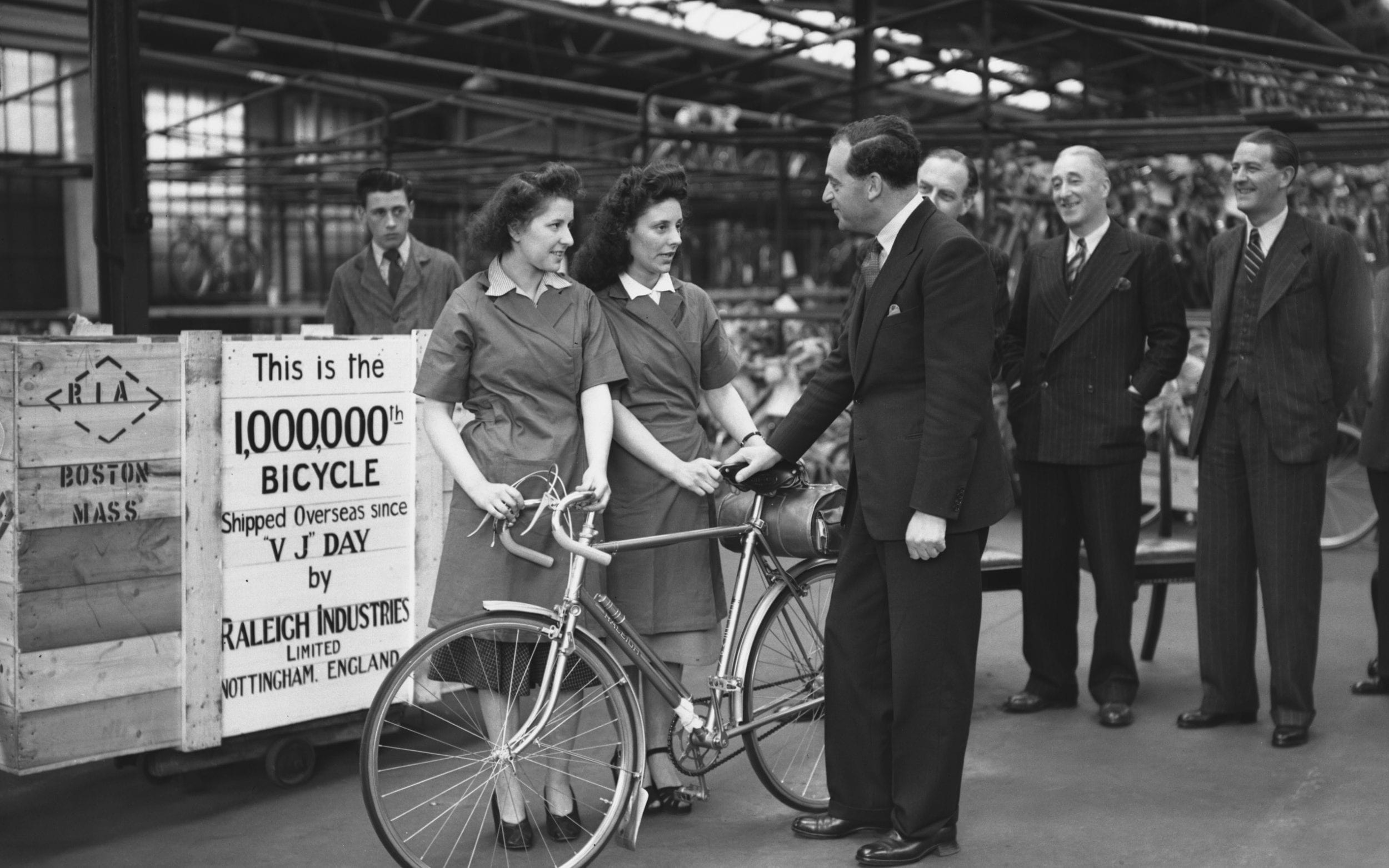
George Strauss, the former Labour minister of supply, pictured with a Raleigh bicycle, which remains one of the most treasured brands in cycling history - Douglas Miller/Hulton Archive/Getty Images
Indeed, in most British cities you can hardly cross the street without a few bikers whizzing past you. Around 17pc of us cycle regularly, while in countries such as the Netherlands it is more than 50pc.
The global market is worth an estimated $35bn (£26bn), and it is growing at 6pc-plus every year. Put simply, this is an industry where there is plenty of money to be made.
And yet, to put it mildly, none of that has helped Raleigh.
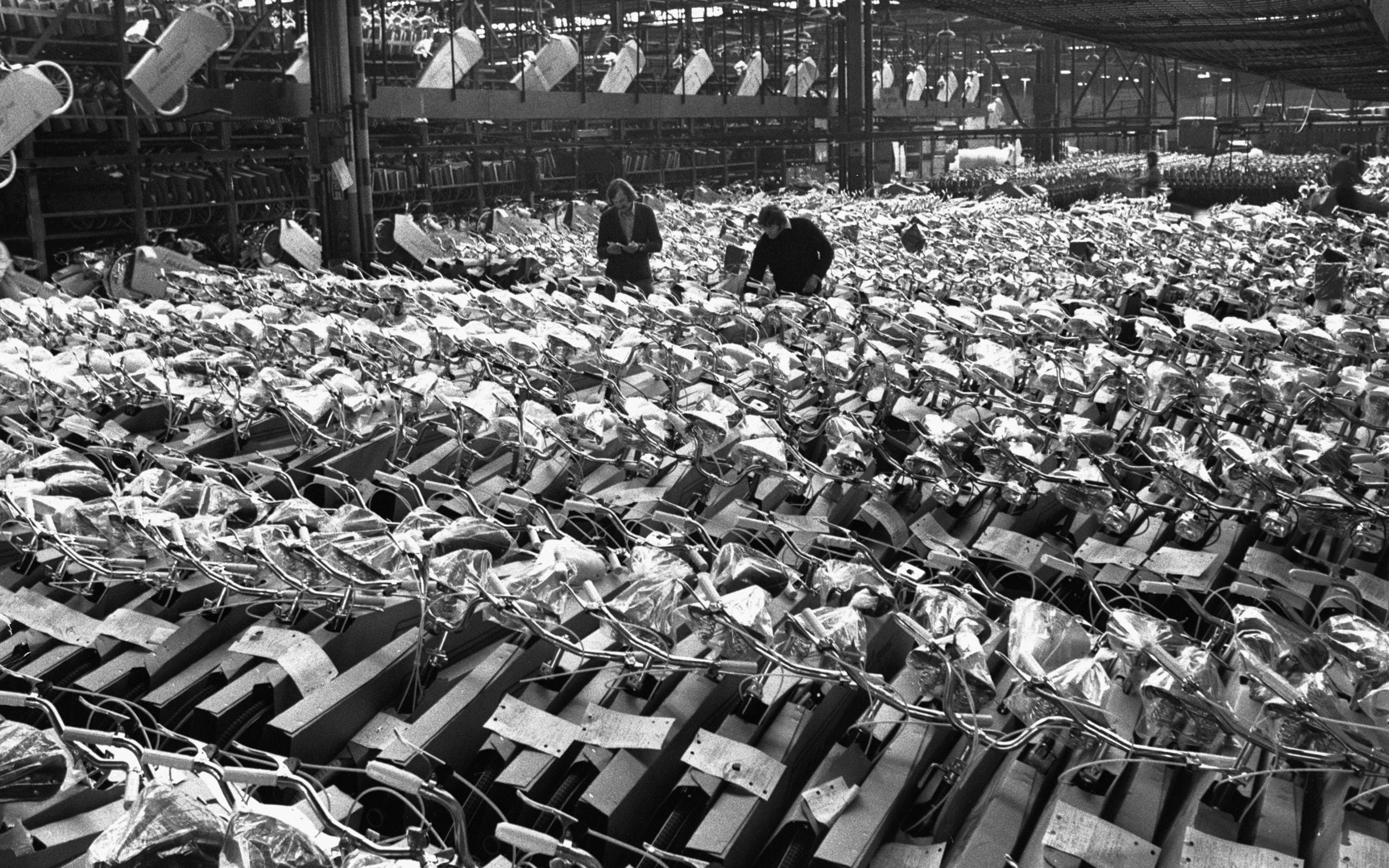
Traced back to a small Nottingham workshop in 1885, the company grew into the world’s largest bicycle maker by 1913, retaining that crown for decades. It was synonymous with reliable, simple transport and one of the major employers in the East Midlands.
In the past 50 years, however, it has been a sad tale of relentless decline. It was taken over by the largely forgotten industrial conglomerate Tube Investments (TI), before falling into the hands of the German-owned Derby Cycles, and finally that of Accell from the Netherlands.
Production here in Britain ended more than 20 years ago, and now its latest owner has filed for insolvency.
Perhaps someone else will buy out the branding rights from the administrators. Or perhaps they won’t.
We will find out in the next few weeks, but whatever happens, it is hard to see Raleigh surviving as anything more than a badge – and perhaps not even that.
This keeps happening. Denby Pottery, another brand with a great heritage, appointed administrators earlier this year, and stopped production after 200 years.
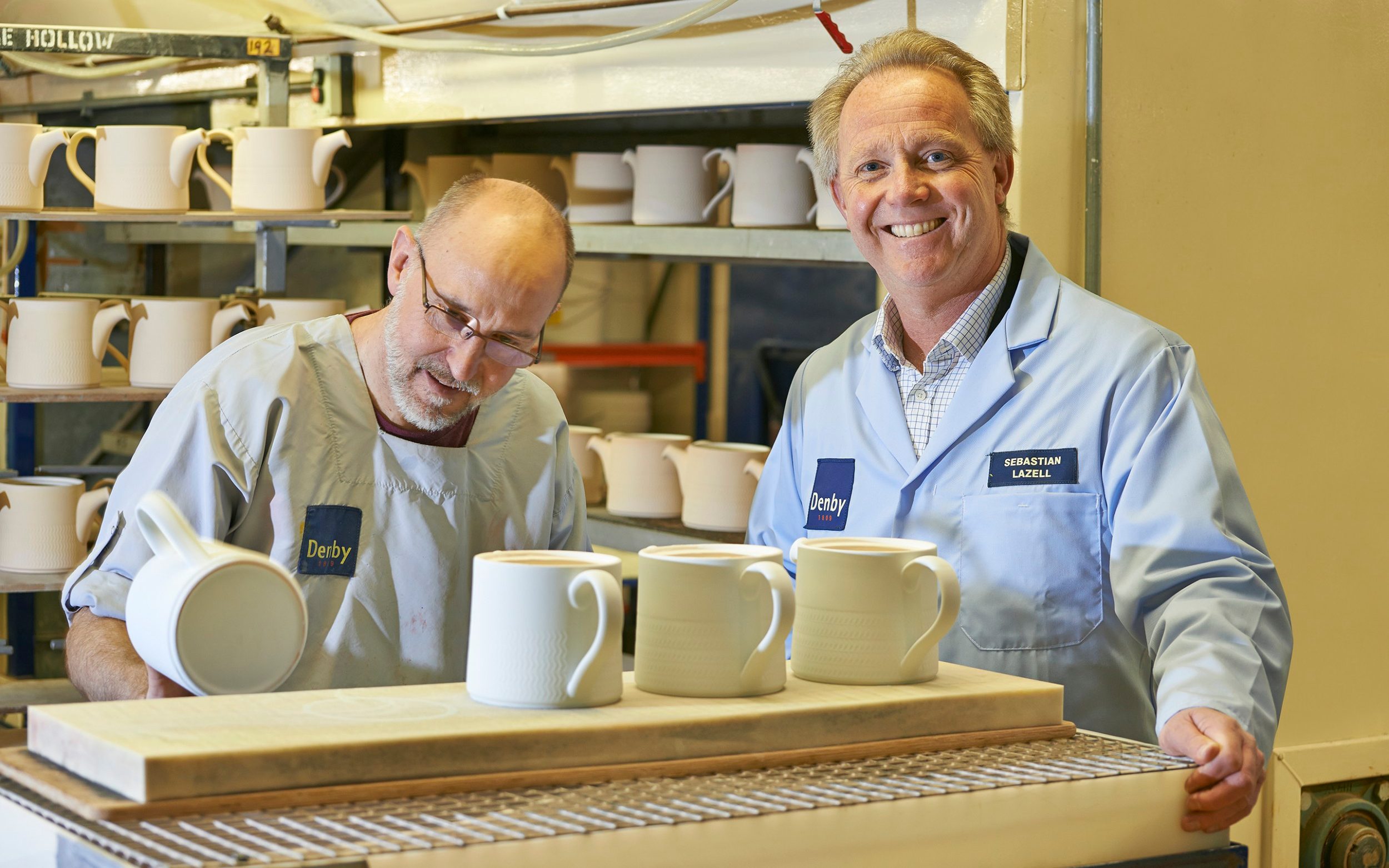
Denby, led by Sebastian Lazell (right), the pottery maker’s chief executive, appointed administrators earlier this year - Martin Brown/InfinitiPhoto
Liberty Steel has closed, and most of what remains of the industry has been nationalised.
Advertisement
It is hard to believe that Jaguar Land Rover will be with us much longer, given how many mistakes the company has made, or its enthusiasm for trashing a brand that was once one of the best in the global market for upmarket cars. The list goes on.
All the major developed economies struggle to stay competitive in manufacturing, given the rise of first Japanese and now Chinese rivals. But Britain struggles more than most.
There is no other major country that has lost so many key industries so completely as we have. The result?
We have already dropped out of the top 10 global manufacturing nations, overtaken by the likes of Mexico and even Russia, and we show little sign of recovering our place among the world’s leaders any time soon.
We need to learn the lessons of that. The UK has been for too long a brutal place to run a manufacturing business.
It started with the trade union militancy of the 1960s and 1970s, which made it harder and harder for the likes of Raleigh to remain competitive, first with the rest of Europe and then with Asia.
The Chopper bicycle, produced by Raleigh, appeared in the bike chase scenes of the 1995 film Jumanji - Hulton Deutsch/Corbis via Getty Images
The industrial conglomerates of the 1980s may have briefly stopped some of the rot, but conglomerates such as TI, or rivals such as Hanson and BTR, lacked the expertise or ambition to grow the brands they controlled – and have since mostly disappeared.
As this century has unfolded, it has become even worse, with punishingly high energy prices and green levies that could have been purposely designed to make it as hard as possible to produce anything in a factory. It has been a long downward trend, with only brief pauses on the way.
The new Government led by Andy Burnham talks a lot about reviving manufacturing and creating new industries. But what is the point if we can’t keep the ones we already have alive?
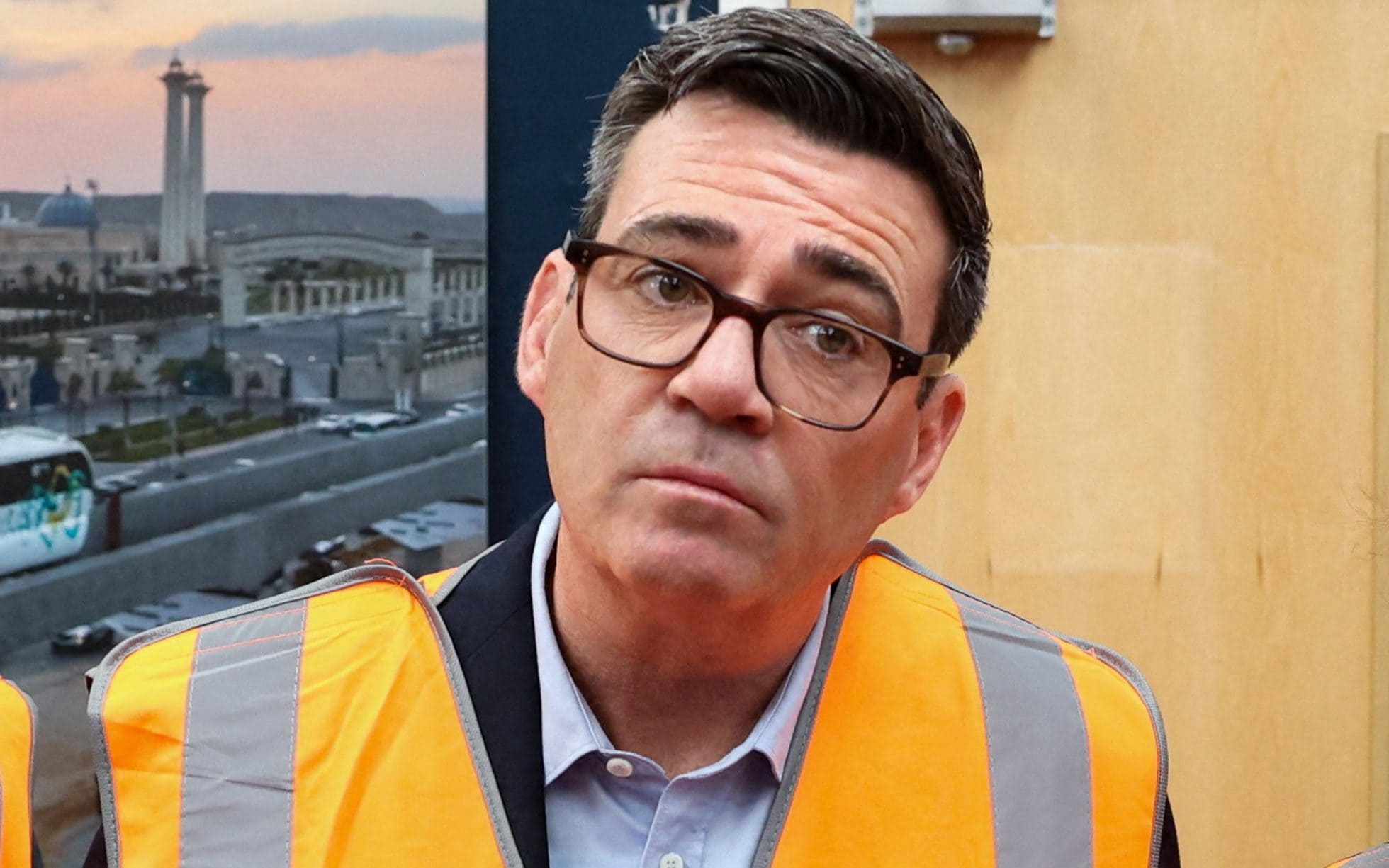
Andy Burnham’s new Government shows very little sign that it understands what is needed to revive the manufacturing industry - Temilade Adelaja/AFP via Getty Images
There is not much hope of dominating solar power or microchips or space launchers – or whatever the latest Business Secretary has decided will generate the right kind of headlines this week – if we can’t make a bike. We are just kidding ourselves. It is not going to happen.
It doesn’t have to be impossible. We need far lower corporate taxes; much cheaper industrial energy; more flexible labour rules; an end to planning restrictions that make it virtually impossible to expand plants in the right place; better infrastructure; trade deals that allow access to the biggest markets on fair terms; and welfare reforms that make it possible to find people to do the jobs that are needed if a business happens to start growing again.
There is nothing very complicated about it. With the right mix, more companies would survive and might actually start growing again.
But right now there is very little sign that the new Government, for all its rhetoric about helping the North – or actually the East Midlands in this case – understands what is needed any more than the last few did.
There are probably plenty of teenagers, who already have vinyl collections and VHS players, who would like to find a retro Chopper under the Christmas tree, and parents who would pay handsomely for it, especially if it had the authenticity of being “Made in Nottingham”.
But it is not going to happen. Raleigh’s long decline is a sorry tale of industrial incompetence, and unfortunately it looks as if there is little sign of that ending any time soon.
Source: “AOL Money”
