


How George Harrison's 'My Sweet Lord' Became a No. 1 Hit
How George Harrison's 'My Sweet Lord' Became a No. 1 Hit

Nina DerwinSun, August 2, 2026 at 3:40 AM UTC
0
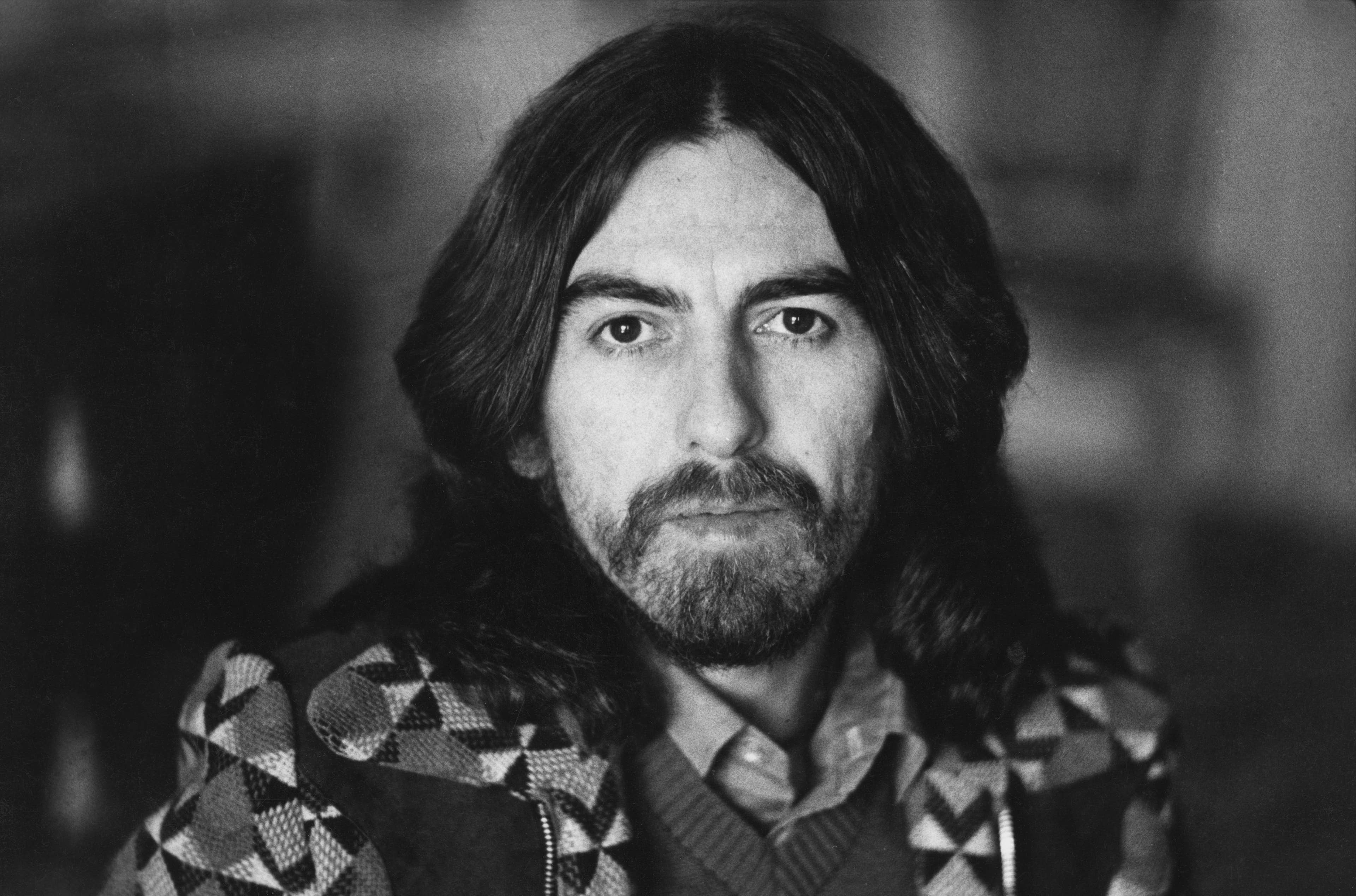
Few songs have enjoyed a journey quite like George Harrison's "My Sweet Lord."
Released in 1970 as the lead single from his landmark solo album, All Things Must Pass, the song became Harrison's first No. 1 hit as a solo artist. But before it introduced the former Beatle's spiritual songwriting to millions of listeners, it had actually been written with another musician in mind.
That musician was Billy Preston.
Harrison originally wrote "My Sweet Lord" for his close friend and collaborator, who had worked extensively with both The Beatles and Harrison during the late 1960s. Preston recorded the song first for his 1970 album, Encouraging Words, which Harrison also produced and played on.
Only afterward did Harrison decide to record his own version.
When he began sessions for All Things Must Pass, Harrison realized the song had the potential to become something even bigger. His recording expanded on the original arrangement with producer Phil Spector's signature Wall of Sound production, layering guitars, keyboards, and choral vocals into one of the defining recordings of the era.
"I was sticking my neck out on the chopping block," Harrison revealed in his autobiography, I Me Mine. "I thought a lot about whether to do it or not, because I would be committing myself publicly and I anticipated that a lot of people might get weird about it."
The bold decision paid off.
Released as a single in November 1970, "My Sweet Lord" climbed to No. 1 on the Billboard Hot 100 and topped charts around the world, including in the United Kingdom. It became Harrison's first solo chart-topper and helped propel All Things Must Pass into one of the most successful albums ever released by a former Beatle.
Advertisement
Beyond its commercial success, the song stood out for its message.
Blending the Christian phrase "Hallelujah" with the Hindu mantra "Hare Krishna," Harrison created a universal expression of spirituality that reflected his lifelong interest in Eastern philosophy and religion. Its uplifting lyrics and memorable melody resonated with listeners across cultures, making it one of the most recognizable songs of the 1970s.
"I did the voices singing 'Hallelujah' first and then the change to 'Hare Krishna' so that people would be chanting the Maha Mantra before they knew what was going on," Harrison said years later.
"My Sweet Lord" has remained a defining part of Harrison's legacy despite its well-publicized copyright case involving similarities to the Chiffons' "He's So Fine."
"I wasn't consciously aware of the similarity when I wrote the song," Harrison said in an interview years later. "But once I started to get a lot of airplay, people started talking about it, was then I thought, 'Why didn’t I realize?' It would have been very easy to change a note here or there and not affect the feeling of the record."
“He must have known," Harrison's former bandmate, John Lennon told Playboy. "He's smarter than that— he could have changed a couple of bars in that song, and nobody could ever have touched him. But he just let it go and paid the price."
Decades later, the song continues to receive regular airplay, has been covered by numerous artists, and remains one of the most beloved recordings in Harrison's catalog.
More than 55 years after its release, "My Sweet Lord" still stands as one of rock's most enduring spiritual anthems. What George Harrison originally wrote for Billy Preston ultimately became an iconic No. 1 hit and one of the defining songs of his remarkable solo career.
Related: 1975 Rock Song, With 19-Year-Old Singer, Became a Generational No. 1 Hit
This story was originally published by Parade on Aug 2, 2026, where it first appeared in the Entertainment section. Add Parade as a Preferred Source by clicking here.
Source: “AOL Entertainment”
