


Federal Reserve raises interest rates for the 1st time since 2023
Federal Reserve raises interest rates for the 1st time since 2023

Thu, September 17, 2026 at 12:39 AM UTC
4
The Federal Reserve raised interest rates on Wednesday in an effort to battle back a monthslong surge of inflation set off by the Iran war. The move marks the central bank's first rate increase since July 2023.
The central bank hiked its benchmark rate a quarter of a percentage point, putting interest rates at a level between 3.75% and 4%.
Hours after the announcement, President Donald Trump criticized the move, repeating a call for lower interest rates that he has made on multiple occasions since his return to office last year.
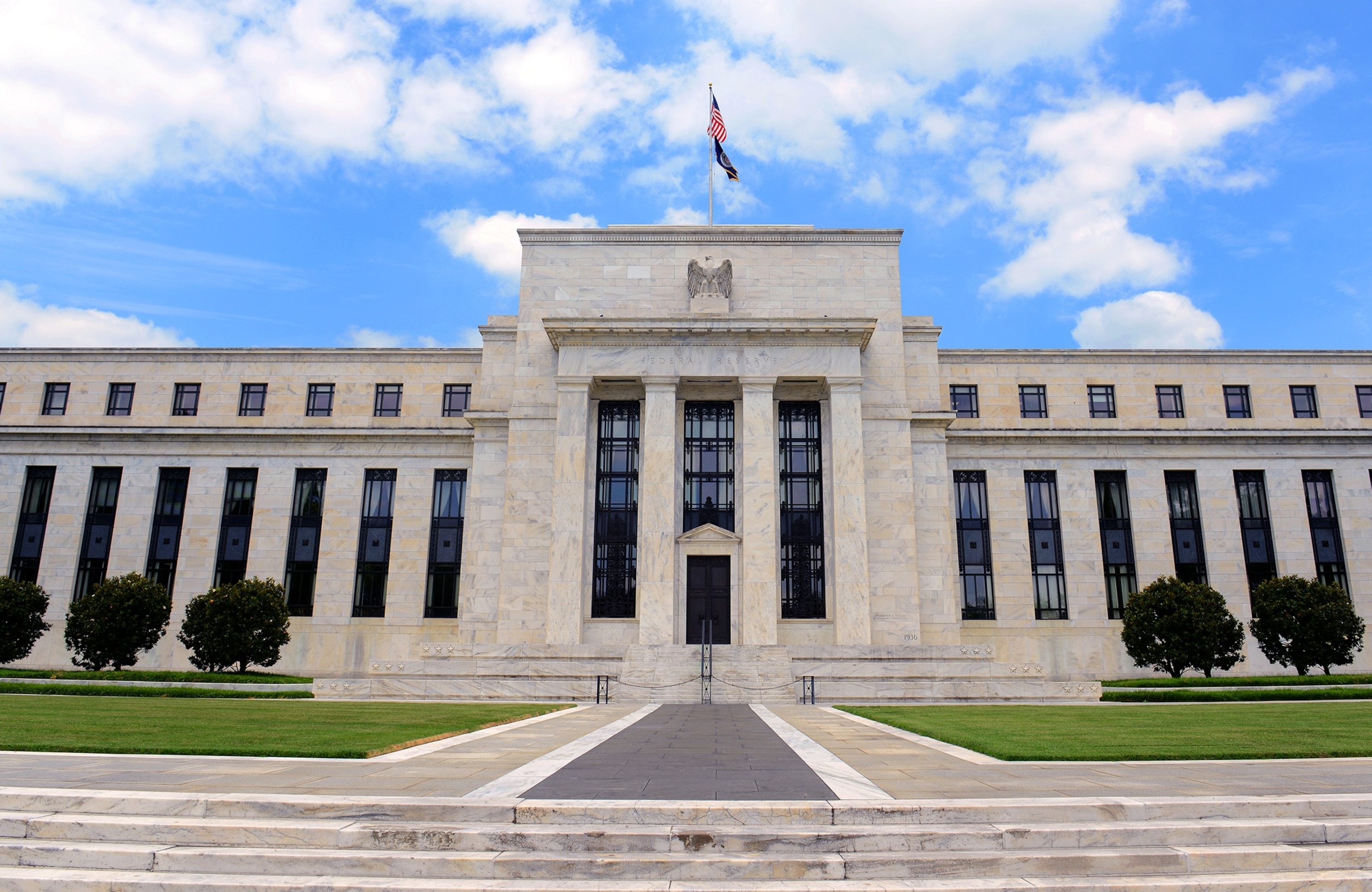
STOCK IMAGE/Getty Images - PHOTO: The Federal Reserve Building is the headquarters of the Federal Reserve System and 12 Federal Reserve Banks, in Washington, D.C.
"LOWER THE INTEREST RATES FOR THE UNITED STATES OF AMERICA, AND FAST!" Trump said in a social media post.
However later, Trump told ABC News that despite the Fed doing the opposite of what he has demanded he still has confidence in Fed Chair Kevin Warsh.
"I’m relying on Kevin, but he’s got a very tough board," Trump said from the tarmac while traveling to a campaign rally in North Carolina, referring to the 12-member policymaking board. "He's got a board that was put there by a lot of other people, and the interest rates are too high, they’re not appropriate."
Trump insisted the Fed raised rates “only for political reasons” and to hurt him.
“They’re raising the rates to make Trump do as bad as he can possibly do," he said. "The problem they have is that we have the greatest economy in history."
Earlier Wednesday, the board, including Trump-appointed Warsh, voted unanimously in favor of the rate increase.
That current level of interest rates marks a significant drop from a recent peak attained in 2023, but borrowing costs remain well above a 0% rate established at the outset of the COVID-19 pandemic.
Iran live updates: Sticker shock woes rise after Saudi refinery stops crude loading
The major stock indexes turned lower after the policy announcement. The Dow Jones Industrial Average closed down 630 points, or 1.2%, while the S&P 500 dropped 0.4%. The tech-heavy Nasdaq ticked down 0.01%.
"The plain fact is that inflation is too high and has been for too long," Warsh said at a press conference in Washington, D.C., on Wednesday. "The committee’s unanimous vote shows our resolve to achieve price stability on a timelier basis."
The move appears aimed at containing a recent bout of price increases. Global oil prices are hovering near a four-month high and the average price for a gallon of gasoline tops $4.30, according to AAA.
Advertisement
The U.S. economy has shown signs of additional strain in recent days, including a bond selloff that is pushing up borrowing costs for credit cards and mortgages.
The price woes previously divided central bankers eager to contain inflation but reluctant to cool off the economy and weaken the labor market.
The Fed opted to hold interest rates steady at its most recent meeting in July. Three of the 12 members on the Fed's policymaking board, however, voted in favor of a rate hike, marking the largest number of dissenters casting ballots in the same direction in a decade.
Warsh, who took the helm of the central bank in May, has vowed to cool off persistently elevated price increases.
"The Fed's predominant focus right now should be on prices," Warsh said in remarks last month at the Fed's annual summer gathering in Jackson Hole, Wyoming.
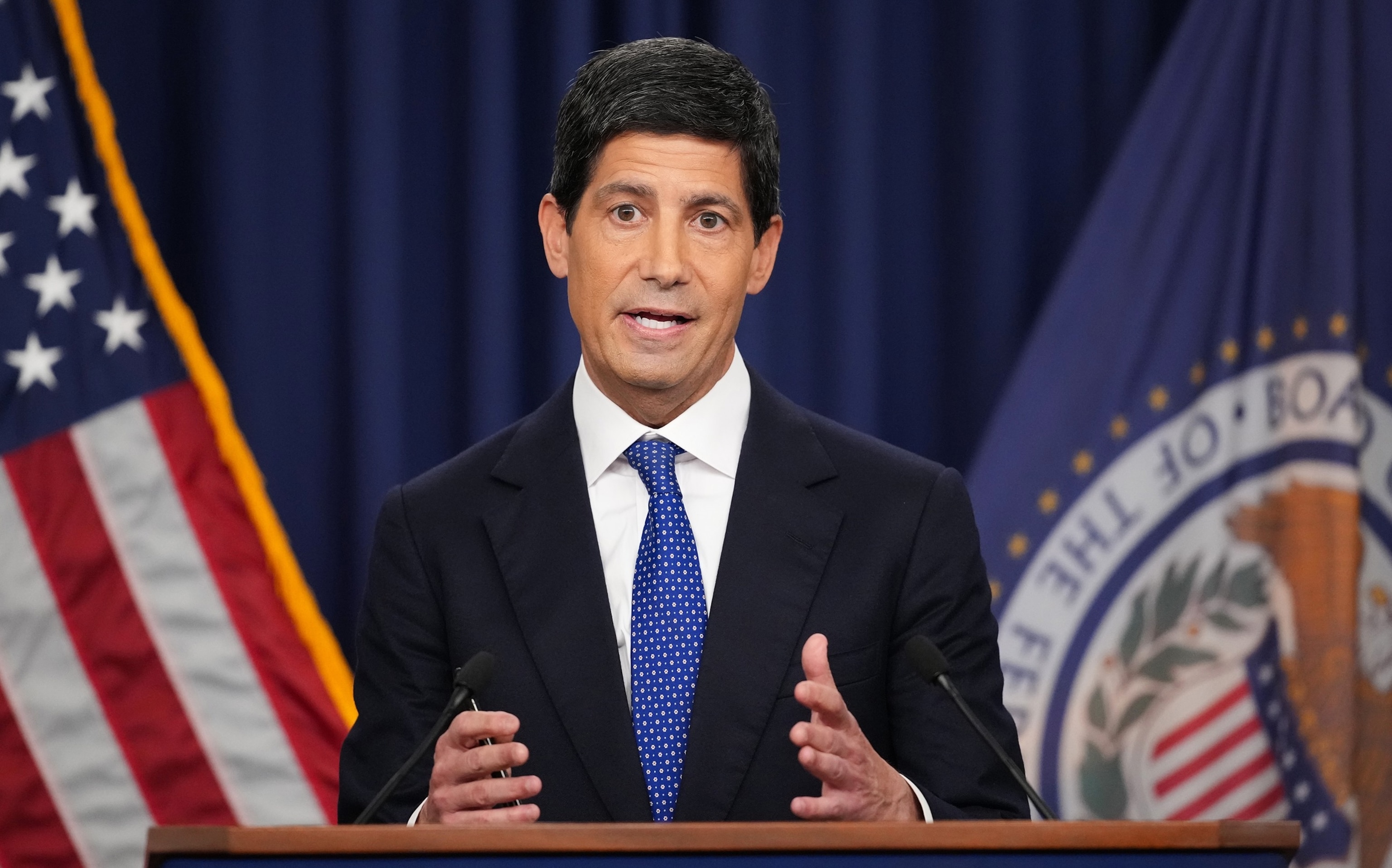
Andrew Harnik/Getty Images - PHOTO: Federal Reserve Chair Kevin Warsh speaks during a news conference following Federal Open Market Committee meetings at Federal Reserve Headquarters, September 16, 2026 in Washington.
Prices rose 3.4% in August compared to a year earlier, maintaining the same level from the prior month, federal government data last week showed.
Inflation stands more than a percentage point higher than the Federal Reserve's target rate of 2%.
Despite a stubborn bout of inflation, the economy remains fairly robust by some measures.
A blockbuster jobs report earlier this month showed employers added 162,000 workers in August, demonstrating continued resilience for the nation's labor market. The economy grew over three months ending in June, defying fear of a downturn triggered by the Iran war.
Fighting in the Middle East kept global crude prices above $105 a barrel as of Wednesday, which amounted to a rise of about 50% since the Iran war broke out in late February.
Inflation holds steady at elevated level as Iran war pushes up gas prices
The average price of a gallon of gas in the U.S. stands at $4.36, putting it more than $1.30 higher than before the war, AAA data showed.
Record-high diesel prices have raised transport costs for many everyday products, including groceries, clothes and furniture.
The war in Iran, which began with a large-scale U.S.-Israeli attack in the winter, prompted Iran's near-closure of the Strait of Hormuz, which facilitates one-fifth of global crude supply. Saudi Arabia over the weekend shut down a key pipeline bypassing the strait, which further constrained oil delivery and put upward pressure on prices.
ABC News' Karen Travers, Michelle Stoddart and Devin Garbitt contributed to this report.
Source: “AOL Breaking”
